
Low Frequency Ultrasound Therapist Dr. Linda J. Kenney of Mechanobiologics Recently Featured on Close Up Radio


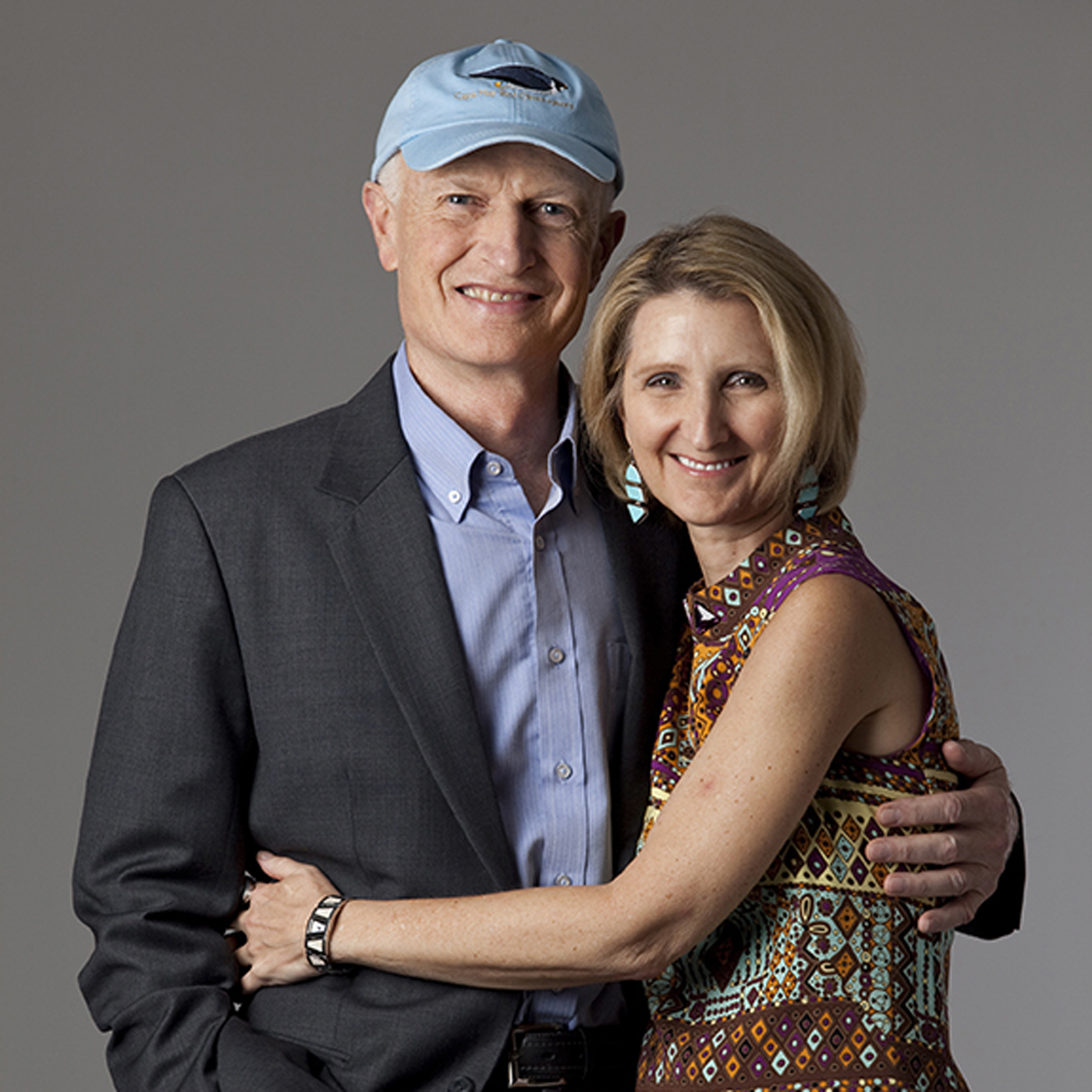
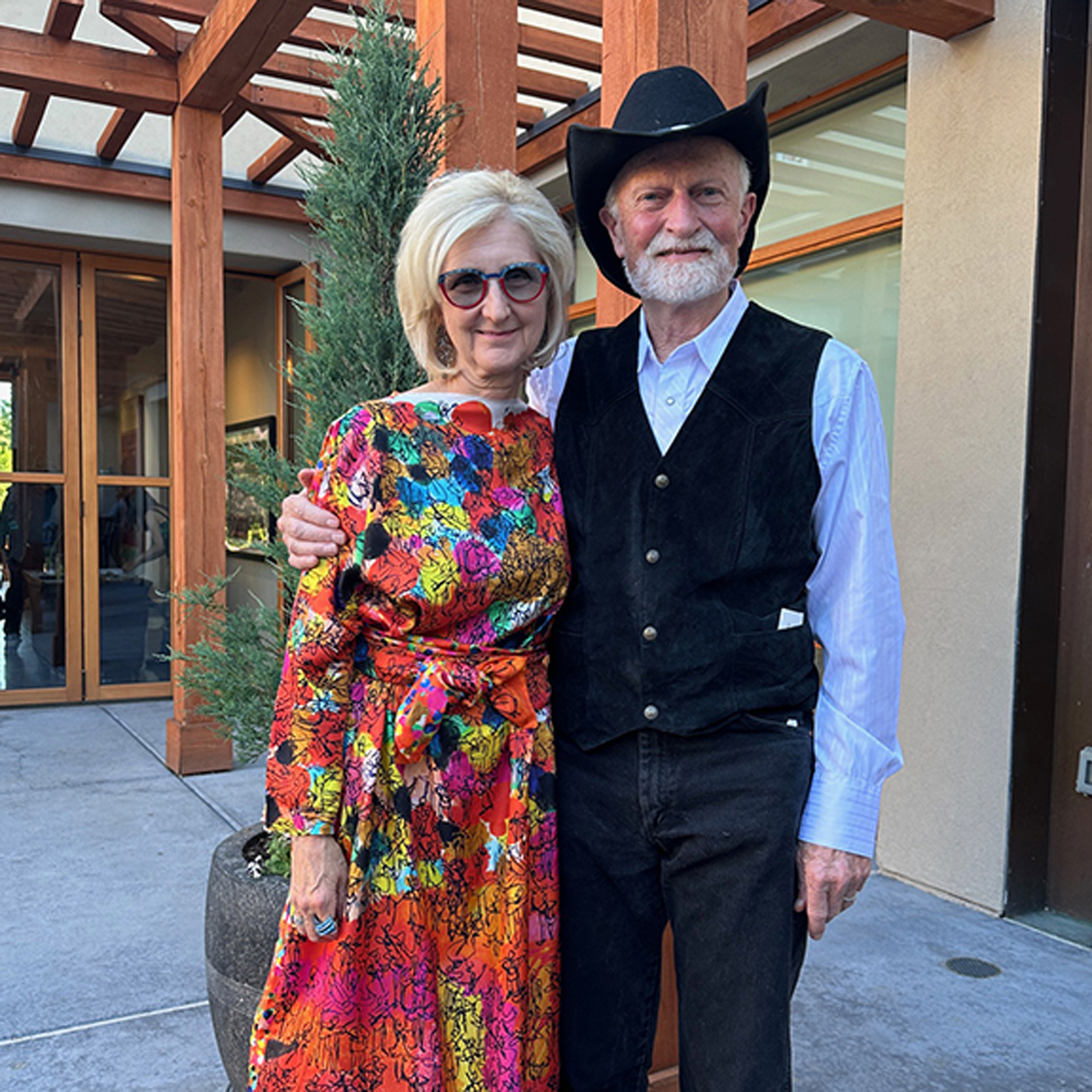
SANTA FE, NM, UNITED STATES, November 18, 2026 /EINPresswire.com/ -- Picture a workout that asks for nothing more of you than a comfortable seat in a warm bath. Sound like an infomercial? Linda Kenney, Ph.D., president of Mechanobiologics Inc., explains that it’s laboratory science with years of data behind it, and she is working hard to make it available next year.
Mechanobiologics is built on the work of the late Michael P. Sheetz, Kenney’s husband and scientific partner of 20 years. Sheetz was among the first researchers to show that physical forces (including sound) act as signals in biology. Early in his career, his lab studied how stretching a cell membrane also stretches the proteins inside it, which can activate them, deactivate them or relocate them entirely.
“It’s a classic case of basic science following your nose,” Kenney says. “One discovery leads to the next.”
Sheetz began by wanting to know why exercise is so good for people. His lab imposed cyclic stretch and relaxation on cells, and a colleague suggested that ultrasound could do the stretching. Mechanobiologics low frequency ultrasound, or LFU, runs at levels three orders of magnitude below those used in medical imaging, too gentle to heat tissue or rupture cells. Instead, LFU activates a channel in the cell membrane to allow in calcium and set off a series of beneficial effects.
Kenney is careful about limits. LFU is an enhancement to exercise, she explains, though it can also be helpful to those who cannot exercise at all.
To date, the results are striking. Cells age when they stop growing and begin secreting molecules that push neighboring cells into the same state, a process called senescence. Kenney compares it to one piece of moldy fruit spoiling the rest of the fruit in the bowl. When Sheetz’s lab applied LFU to aged cells, they started growing again. All 15 measures of cellular aging the team tracked were reversed.
Mice told a similar story. Treated animals, beginning at two years old, received LFU regularly for more than a year, lived about 20% longer and were far more active on exercise wheels than untreated mice. Photos on the company’s website show a glossy, lively treated mouse next to an untreated one. Not one of the treated mice developed tumors before dying.
Further studies are underway, and a manuscript on Alzheimer’s disease in mice has been submitted for publication (“Low Frequency Ultrasound Treatment Attenuates Amyloid-β and Tau Pathology While Enhancing Autophagy, Synaptic Function, and Metabolic Resilience in 3xTg-AD Mice”). LFU has also reduced amyloid beta plaques and tau tangles while lowering inflammation in the brain; among eight beneficial effects Kenney describes. Old mice treated with LFU that were given a Salmonella infection mounted an immune response close to that of young mice after only six treatments.
In humans, a clinical trial on osteoarthritis is underway in San Antonio. In an earlier pilot with 10 volunteers who received LFU every other day for a couple of months, participants reported better mobility and less pain. Nearly everyone who tries the LFU bath, even once, notices that their skin feels different.
Sheetz died in January 2025 of multiple myeloma. Kenney explains, “He told me the night before he died that the senescence paper was the best work of his career. He was a Lasker Award recipient who had been nominated for the Nobel Prize. So, I feel like I can’t just let his work languish in scientific journals somewhere. I have to do something.”
That something is a fundraising campaign to build devices and labs. “Although, I will be keeping enough control of the company to ensure the technology does not get bought and buried,” she says. She sees Alzheimer’s as the most exciting target, given the roughly 55 million people suffering from it worldwide. She also sees promise in cell therapies such as CAR-T, where growing cells faster in culture could save time and money.
Kenney cares most about years lived in good health. Her mother, who is nearing 96, still works out daily, lives alone and cooks her own meals. “She’s my role model,” Kenney shares.
Her advice for anyone who wants to start today is simple: “Exercise and eat simpler foods. Beans are really great.”
About Mechanobiologics, Inc.
Mechanobiologics, Inc., based in Santa Fe, New Mexico, develops low frequency ultrasound therapies (LFU) for longevity and healthy aging. The company builds on mechanobiology research by the late Michael P. Sheetz, whose lab showed that LFU can reverse cellular senescence and extend life in mice. Led by President Linda Kenney, PhD, Mechanobiologics works with scientists and clinicians who are studying aging and cancer, and plans to bring LFU devices to wellness clinics and clinical trials.
Close Up Radio recently featured Linda J. Kenney, Ph.D., president of Mechanobiologics, Inc., in an interview with Jim Masters on Monday November 16th at 3pm Eastern
Listen to the Podcast
https://podcasts.apple.com/us/podcast/close-up-radio-spotlights-low-frequency-ultrasound/id1785721253?i=1000802492337
https://www.iheart.com/podcast/269-close-up-radio-242020413/episode/close-up-radio-spotlights-low-frequency-ultrasound-therapist-dr-linda-j-kenney-of-mechanobiologics-350208580/
https://open.spotify.com/episode/3MQvYELadlIq4S51pluvAX
For more information about Linda J. Kenney, Ph.D., president of Mechanobiologics, Inc., please visit https://www.mechanobiologics.com/
Lou Ceparano
Close Up Television & Radio
+1 631-850-3314
email us here
Visit us on social media:
Facebook
Legal Disclaimer:
EIN Presswire provides this news content "as is" without warranty of any kind. We do not accept any responsibility or liability for the accuracy, content, images, videos, licenses, completeness, legality, or reliability of the information contained in this article. If you have any complaints or copyright issues related to this article, kindly contact the author above.
