

1 on the lineup
Break Fear Cycle And Regain Control
With over 25 years as a health care practitioner in exercise rehab and functional strength training, including many clients with chronic pain, here's how I've helped them rediscover meaningful, sustainable physical activity.
I start slow and help them discover movements and activities they can do within their tolerance and capacity at that time. It's really important for them to work past the fear of making things worse, and I do that by helping them see they're capable of more than they thought. From there, I teach them to work at capacity and gradually build tolerance in terms of load, time, and personal comfort.
Part of this is teaching them how to read their own pain signals, identifying triggers, and giving them an achievable pacing and activity plan. Small wins add up over time, and pushing through pain is often what causes setbacks, not what prevents them.
The breakthrough for most clients isn't one specific exercise or program, but breaking the cycle of hopelessness and lack of control over their pain. Once someone sees that a specific, tolerable amount of movement doesn't set them back, and actually starts moving them forward, they stop bracing and start participating in their own recovery. That shift, from feeling stuck to feeling in control, is what makes activity meaningful and sustainable.
I also teach them about pain avoidance and the movement paradox. I remind them that our bodies were meant to move, and that a lack of mobility is what leads to frailty, without leaning on scare tactics to make the point.
This approach lines up with current pain science. Research shows that fear-avoidance beliefs are a major predictor of reduced physical activity in people with chronic pain, and that properly progressed, regular movement is a key part in managing chronic non-specific pain. Psychological factors like confidence in managing your own pain and acceptance play a major role in treatment outcomes, and interventions that help people feel more in control of their pain tend to produce better long-term results.
Let Values Guide Daily Moves
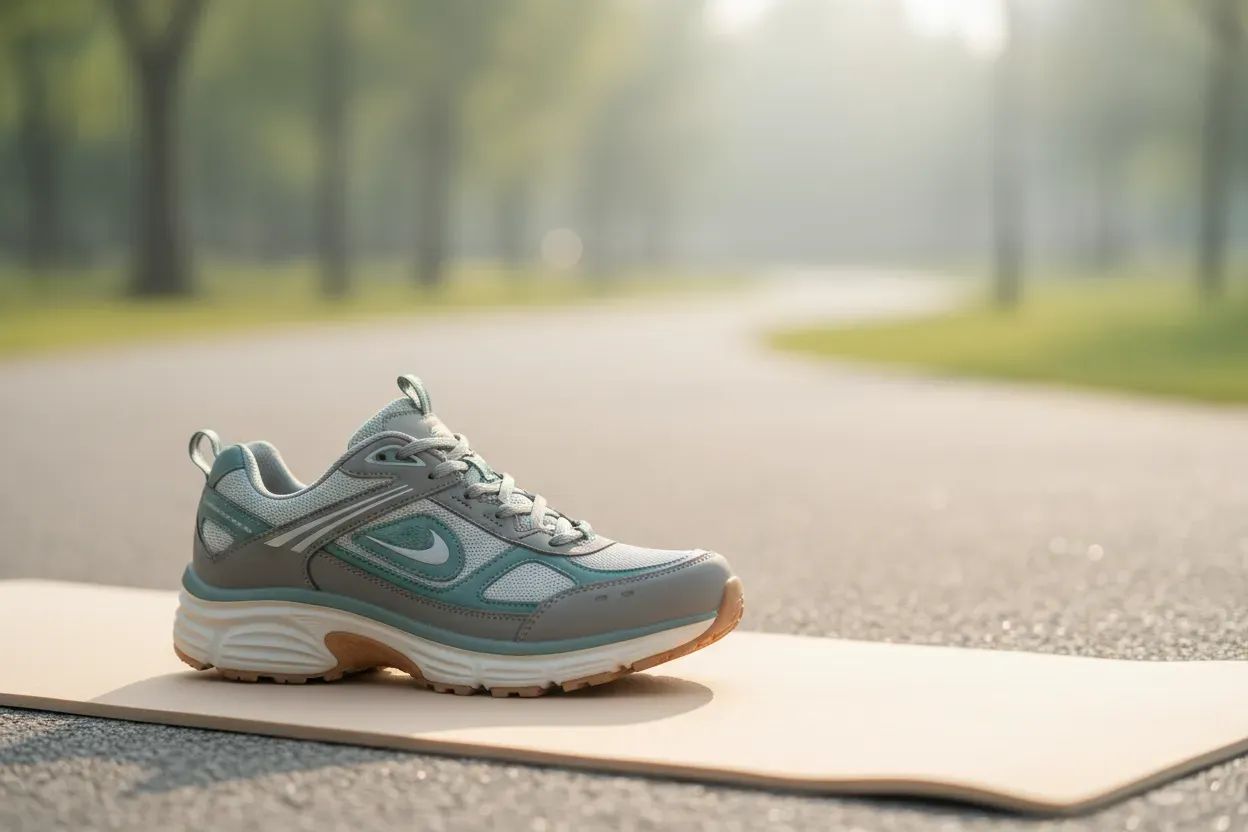
Begin by co-designing movement that matches what truly matters to the client. Values like family time, independence, or love of nature can guide clear choices. A plan might favor gentle park walks, playful stretching with kids, or calm yoga at home.
Goals stay flexible so pain ups and downs do not break momentum. Wins are measured in energy, mood, sleep, and confidence, not just steps. Set a short values talk and turn one value into a simple action today.
Set Kind Accountability Pact
A social contract sets a clear, kind agreement with a partner who cares. It defines when to move, how to check in, and what to do on hard days. The partner offers support without pressure and praise for effort, not pain.
Small stakes can help, like sending a photo or a short note after sessions. This steady link builds trust, safety, and a routine that lasts. Ask one trusted person to be your movement partner and set your first check-in now.
Add Tiny Bursts After Habits
Movement snacks are tiny bursts of motion tucked into the day. Each snack links to a habit already in place, like brushing teeth or making coffee. Short moves lower fear, limit flare risk, and grow strength over time.
Timers, sticky notes, or phone cues can make the new link stick. A simple calendar helps mark each snack and shows steady progress. Pick two daily habits and add a one-minute move after each today.
Use Body Signals to Steer Effort
Using simple body feedback turns signals into guides for safe effort. Heart rate, breath, muscle tightness, and pain level can mark green, yellow, and red zones. Start low, add a little when in green, hold steady in yellow, and pause in red.
This reduces fear and builds a sense of control with each practice. Short notes from sessions reveal patterns that help refine the plan. Choose one signal to watch this week and let it shape each short session.
Turn Activity Into Friendly Game
Turning activity into a friendly game makes it more fun and steady. Points and streaks focus on showing up, not pushing hard. Rewards should match what matters, like music time, a nature break, or a call with a friend.
Grace days keep streaks alive so setbacks do not erase progress. A simple story or quest can tie sessions together and keep hope high. Design a seven-day game with one small reward you truly enjoy and start today.