









13 on the lineup
Prioritize Alignment Over Depth
One training approach that completely transformed my relationship with movement was learning the importance of proper alignment in yoga rather than forcing flexibility or pushing deeper into poses. Earlier in my practice, I thought progress meant achieving the "full expression" of a posture, but over time I realized that sustainable movement comes from stability, breath, nervous system regulation, and structural awareness.
Focusing on alignment changed everything from how I engaged my core and protected my joints to how I distributed weight through my feet, spine, and shoulders. Small adjustments, such as grounding evenly through the feet in standing poses or lengthening through the spine instead of collapsing into flexibility, created far more strength, balance, and body awareness than pushing harder ever did.
The biggest shift was not only physical but mental. Movement became less about performance and more about embodiment and connection. I experienced fewer injuries, improved balance and stability, better breath control, and a much deeper sense of presence in my body. That experience now strongly shapes how I teach others: alignment and awareness create more sustainable results than force or intensity alone.
Use Pulse Pours for Even Extraction
I never thought a pouring technique would completely change my coffee game, but learning the pulse pouring method for pour overs genuinely transformed how I approach brewing at Equipoise Coffee.
When I started roasting and brewing specialty coffee, I'd just dump water into the dripper however it felt right. My results were all over the place. One cup would taste bright and fruity, the next would be bitter and hollow. I couldn't figure out why the same beans tasted so different day to day.
Then a veteran roaster showed me pulse pouring. Instead of continuously pouring water, you add it in distinct, measured pulses with brief pauses between each one. This lets the water level drop slightly before adding more, which maintains a more stable temperature and keeps the coffee bed from getting too agitated.
The first time I tried it, I immediately noticed the extraction was more even. The flavors weren't muddled anymore. Our Ethiopian single origin suddenly had this clear blueberry note I'd been missing, and the caramel sweetness in our Colombian beans became way more pronounced.
What really sold me was how repeatable it became. Once I dialed in the pulse timing and water volume for each specific coffee we roast, I could pull that same flavor profile consistently. For our e-commerce customers, that consistency is everything. They come back because they know the bag they order Tuesday will taste like the bag they loved last month.
I've since taught this technique to everyone on our small batch team. We practice it religiously during our cupping sessions. The pulse pour forces you to slow down and actually pay attention to what the coffee's doing in real time rather than just going through the motions. It turned brewing from a rushed morning task into this almost meditative process where I'm constantly learning something new about our beans. That mindfulness alone was worth the adjustment.
Master the Hip Hinge
One training technique that completely changed my approach was learning proper hip hinge mechanics for deadlifts. I've always been active, but I used to round my back during deadlifts and wonder why my lower back ached for days afterward.
Working long hours at Santa Cruz Properties, sitting at my desk reviewing property listings and managing marketing campaigns, my posture suffered. My hip flexors got tight, and I'd lost the ability to hinge properly at the hips. A trainer at my gym noticed my form and taught me the "wall drill" - standing with my back against a wall, pushing my hips back while keeping my spine neutral until my butt touched the wall.
This simple drill retrained my movement pattern completely. I learned to push my hips back rather than squat down, engaging my glutes and hamstrings instead of my lower back. The difference was immediate. Within weeks, my deadlift felt stronger, and that nagging back pain disappeared.
The real surprise was how this carried over to my daily life at work. When I'm showing properties to clients or moving staging furniture, I now naturally hinge at the hips instead of rounding my back. Even sitting through long planning sessions for our marketing initiatives feels different because I'm more aware of my pelvic position.
I've shared this tip with several of our agents who complain about back pain from driving between properties. Most of them don't realize how much their desk work affects their movement patterns until they can't touch their toes without bending their knees.
The hip hinge doesn't just transform deadlifts. It changes how you move through your entire day. I'm proof that fixing one movement pattern can ripple through everything else you do, whether that's hitting personal records at the gym or hauling signs around our properties in the Rio Grande Valley.
Add Paused Squats to Build Tension
I've spent years at Local SEO Boost hunched over computers, analyzing Google Business Profiles and building citations for our clients. All that sitting wrecked my hips and lower back. I started squatting to fix the problem, but my form was awful and I kept ending up in pain.
Then a trainer taught me paused squats. You hold the bottom position for two to three seconds before standing back up. Sounds simple enough, but it completely changed how I approach the movement.
The pause forced me to actually feel what my body was doing at the hardest point of the lift. Turns out I'd been losing all my tension at the bottom. My hips shifted, my knees caved in, and my core basically gave up. No wonder my back always hurt after training.
When I started pausing my squats, I had to drop the weight by about forty pounds just to maintain proper position. That was humbling for my ego. But something interesting happened over the next couple months.
My regular squat started feeling rock solid. The lower back pain disappeared completely. I could hit proper depth without any strain because I wasn't rushing through the movement anymore. I learned how to create tension from the ground up, gripping the floor with my feet and bracing my core before I even started descending.
That tension carried over to everything else. Deadlifts felt better. Lunges improved. Even my posture while working on local search campaigns got better because I finally understood what proper hip position should feel like.
My squat went up sixty pounds over six months. But honestly, not being in constant pain was the real victory. Sometimes you need to slow down and master the hardest position before you can move forward safely.
Breathe Fully to Stabilize Core
Working at Davila's Clinic, I've always emphasized proper movement patterns to my patients, but I'll admit I had my own blind spot when it came to core training. For years, I treated planks and dead bugs as simple endurance exercises, just holding positions until fatigue set in. Then a physical therapy colleague taught me about proper breathing mechanics during core stabilization work, and honestly, it changed everything.
The technique was simple but revolutionary: I learned to fully exhale before initiating any core movement and maintain that tension throughout the exercise. Instead of holding my breath or breathing shallowly, I focused on complete exhalation to engage the deep core musculature, particularly the transversus abdominis. This wasn't about sucking in my stomach but rather using my breath to create genuine intra-abdominal pressure and stability.
The difference was immediate and striking. Movements I thought I'd mastered suddenly felt entirely new. Planks became significantly more challenging when properly executed with breath control, and I noticed my lower back stopped aching after training sessions. Within weeks, patients started commenting on improvements in their own movement quality when I taught them this approach.
What surprised me most was how this transferred to daily activities. Bending to lift equipment, standing for long patient exams, even sitting at my desk became more comfortable. I wasn't just exercising differently; I was moving differently throughout my entire day. The technique also improved my ability to identify movement compensations in patients. When someone couldn't maintain proper breathing during a basic exercise, it immediately highlighted areas needing attention.
Now I can't imagine teaching core stability any other way. It's become foundational to how I approach both my own fitness and patient education at Davila's Clinic. Sometimes the simplest adjustments yield the most profound changes, and this breathing technique proved that to me every single day.
Let RPE Guide Quality Progress
One adjustment that transformed my approach to heavy compound lifts—especially squats and deadlifts—was switching to RPE-based training and ramped 5x5 work instead of constantly maxing out. Early on, I thought progress meant pushing every set to absolute failure. All it really did was beat up my recovery and stall my strength.
Once I started building to one hard top set while keeping a rep or two in reserve, everything improved. My technique stayed cleaner, recovery got better, and I could train consistently without feeling wrecked. That change played a huge role in taking my numbers from a 135 bench to 315, 275 squat to 505, and 275 deadlift to 545 over time.
The surprising part was realizing that progress came faster when I stopped chasing exhaustion and started chasing quality reps. I also became more aware of bar speed, positioning, and recovery instead of just weight on the bar.
As a NASM Certified Nutrition Coach (CNC) and ISSA Nutritionist, I now coach clients the same way: train hard enough to progress, but not so hard that recovery collapses. Long-term strength is built on repeatable quality, not heroic sessions.
Practice Top Holds for Pull-Ups
One technique that changed my approach to the pull-up was adding extended eccentric holds at the top position. I had clients step or jump to the top, hold for five seconds, then lower slowly for five seconds, and we added one second to the lowering each week. This focused progression built the specific pulling strength and taught proper shoulder positioning before attempting full repetitions. With this adjustment one client progressed from zero pull-ups to a clean first pull-up in weeks while keeping shoulder pain at bay.
Take the Slack Out Before You Lift
I've been working at Mano Santa Note Servicing for years, and honestly, sitting at a desk analyzing mortgage notes and loan portfolios did a number on my body. My posture was terrible, and when I started doing deadlifts to strengthen my posterior chain, I kept straining my lower back. I couldn't figure out what I was doing wrong.
Then a trainer at my gym taught me the concept of "pulling the slack out of the bar" before initiating the lift. This single cue completely changed everything for me.
Here's what that means: instead of yanking the bar off the ground, you first build tension by pulling upward on the barbell until you feel resistance against the plates. This engages your lats, locks your core, and positions your body perfectly before the lift even starts. You're essentially creating full-body tension while the bar is still on the floor.
Before learning this technique, I'd setup with loose arms and a soft core, then try to muscle the weight up. My back would round, my hips would shoot up, and I'd feel it all in my lumbar spine. I couldn't understand why my deadlift wasn't improving despite consistent practice.
Once I started pulling the slack out, the movement felt entirely different. The weight felt lighter because I was using my entire posterior chain efficiently instead of compensating with my lower back. Within two months, my working weights increased significantly, and the lower back pain I'd been experiencing completely disappeared.
This technique also carried over into my daily life at msnoteservicing.com. When I'm reviewing debt servicing documents or analyzing real estate finance deals for hours, I find myself naturally engaging my core and maintaining better posture. I even catch myself "pulling the slack out" when picking up heavy files or boxes of mortgage documents around the office.
The lesson for me was that sometimes the smallest adjustment creates the biggest impact. Whether it's note investing strategies or exercise technique, the details matter more than brute effort.
Alternate Sit and Stand to Focus

One technique that transformed my approach was deliberately alternating between sitting and standing during long periods of desk work using a standing desk converter. As a contractor who spends the day on my feet at job sites, I had been sitting hunched over estimates and invoices for hours, which left my lower back in pain. Making the switch to a sit-stand routine reduced my stiffness, increased my energy, and helped me focus better on paperwork. The practical result was that I get through admin tasks faster because I am no longer constantly shifting to find a comfortable position.
Treat Rest as a Variable

I'm Runbo Li, Co-founder & CEO at Magic Hour.
The thing that completely rewired how I train was learning to treat rest periods as a variable, not a constant. For years I treated rest like dead time, scrolling my phone for 60-90 seconds between sets because that's what some program told me. Then I started training with a guy who used to coach D1 athletes, and he said something that stuck: "Your rest period should be dictated by your nervous system, not your stopwatch."
He had me start doing heavy compound movements, specifically deadlifts, with full recovery between sets. We're talking 3-5 minutes. It felt lazy at first. But within six weeks, my deadlift jumped 40 pounds. The reason is simple. When you actually let your central nervous system recover, you can recruit more motor units on the next set. You're training strength, not fatigue tolerance.
The flip side was equally powerful. For hypertrophy work, he had me cut rest to 30-45 seconds and drop the weight significantly. The pump was brutal, but the muscle growth was noticeably faster because I was optimizing for metabolic stress rather than load.
The meta-lesson here applies to everything I do, including building Magic Hour. Match the recovery to the goal. When David and I are solving a hard architectural problem, we don't force a 30-minute brainstorm. We think, walk away, come back fresh. When we're shipping small iterations, we move fast with no breaks. The rhythm matters more than the effort.
Most people train like they work. They apply the same tempo to everything and wonder why they plateau. The adjustment isn't about working harder. It's about knowing which variable to manipulate for the specific outcome you want. Rest isn't laziness. It's strategy with a longer time horizon.
Turn Recalls Into a Game

I'll share something that completely changed how I handle recall training with dogs at our dog parks. Through running Doggie Park Near Me, I've worked with hundreds of park visitors struggling to get their dogs to come when called, especially in distracting environments.
The game-changer for me was switching from repetitive "come" commands to what trainers call "the recall game." Instead of making recalls feel like work, I started treating them as the most exciting event in my dog's day. Here's how it works: when you call your dog, you don't just stand there waiting. You turn slightly sideways (less confrontational), clap your hands, use a happy voice, and if needed, run away from your dog a few steps. Dogs naturally want to chase, so this taps into their play drive.
I also stopped using the recall command for anything my dog might find unpleasant. No more calling them to leave the park or for baths. Instead, I'd go get them for those things. The recall became sacred, always rewarded with high-value treats, play, or praise.
The results were remarkable. Dogs that previously ignored their owners at the park started racing back with enthusiasm. I've recommended this technique to countless visitors through our website, and the feedback has been incredible. One user told me her beagle, who previously had selective hearing at the park, now comes sprinting back every time.
The adjustment works because it changes the underlying motivation. Rather than coming because they have to, dogs learn that returning to you is rewarding and fun. We've even added a section on our website about this technique because it's made such a difference for park visitors.
If you're struggling with recall, I can't recommend this approach enough. It's transformed my relationship with dogs and made our park experiences so much more enjoyable.
Spread Curls Across the Workday
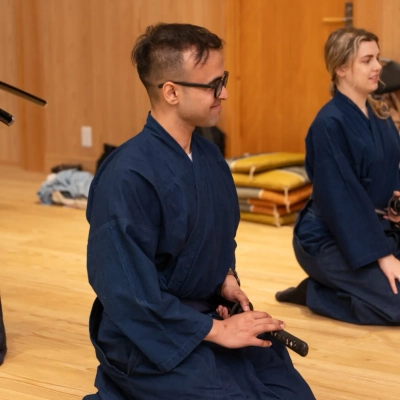
The training technique that changed bicep curls for me was putting dumbbells next to my workstation and doing one clean set every 10 minutes instead of trying to find a perfect three-hour gym block. It turned curls from a workout I had to schedule into a movement pattern I could practise all day, with better control, less rushing and fewer missed sessions. The shift was mental as much as physical: I stopped treating training as one big event and started treating it as a system built into the workday. That made consistency easier, which is the part most busy people lose first.
Choose Low Reps With Heavy Loads

The training technique that most changed my approach -- both in my own training and in what I recommend to patients integrating strength work in their forties and fifties -- was switching from the traditional three-sets-of-ten rep scheme to a low-rep heavy approach with longer rest intervals. Specifically, sets of three to five repetitions on compound movements, performed at a weight that's genuinely challenging by the last rep, with two to three minutes of rest between sets.
The shift came from a mismatch I kept noticing in clinic. Patients who had been "lifting" for years in conventional class-style or high-rep low-weight formats arrived with body compositions that hadn't meaningfully changed and strength levels that didn't reflect the years of training. The conventional rep scheme produces a metabolic stimulus and a fatigue response but not a strong neurological or hypertrophic stimulus to the muscle. The patient does the work but doesn't get the adaptation the work was supposed to produce.
The low-rep heavy approach, by contrast, recruits the larger motor units that the high-rep approach largely bypasses. The neurological adaptations come first -- coordination, motor pattern, the ability to brace and stabilize under load. Structural adaptations (lean mass, bone density at the hip and spine, tendon resilience) follow over months. The body composition change at six months is substantially different from what the same person would have produced in a high-rep program.
What it changed in my own training: I lift twice a week now, forty-five minutes per session, three compound movements per session (a squat or deadlift variant, a push, a pull), three working sets of three to five reps each, with adequate warm-up. That's it. The simplicity is part of the point -- sustainable patterns are simple patterns.
What it changed in patient recommendations: I no longer suggest the high-rep light-weight class format for patients who want strength and body composition change. Those formats have a place for cardiovascular conditioning and the social environment, but the strength adaptation isn't there. For patients who want the actual strength stimulus, the heavier, simpler, slower approach is what produces the result.
The adjustment looks counterintuitive at first -- fewer reps, more rest, harder weight -- but the results clarify the logic. It isn't the time at the gym that builds the body. It's the specific stimulus the muscle is asked to respond to.